The Prophet ﷺ said: "Whoever performs Hajj for the sake of Allah and does not commit any obscenity or wrongdoing, he will return as the day his mother bore him." Hajj is one of the five pillars of Islam and its accepted performance earns the reward of Jannah. It wipes away previous sins and brings a believer closer to Allah.
✦ Hajj 2026 - Fazaail & Aadab
Hajj 2026 - Fazaail aur Aadab
A dedicated series on the virtues and etiquettes of Hajj - helping pilgrims understand not just the rites but the spirit, reverence, and inner dimension that make Hajj truly mabrur. New content added regularly.
Mufti Ahmed Ali • Graduate, Jamia Ashrafia Lahore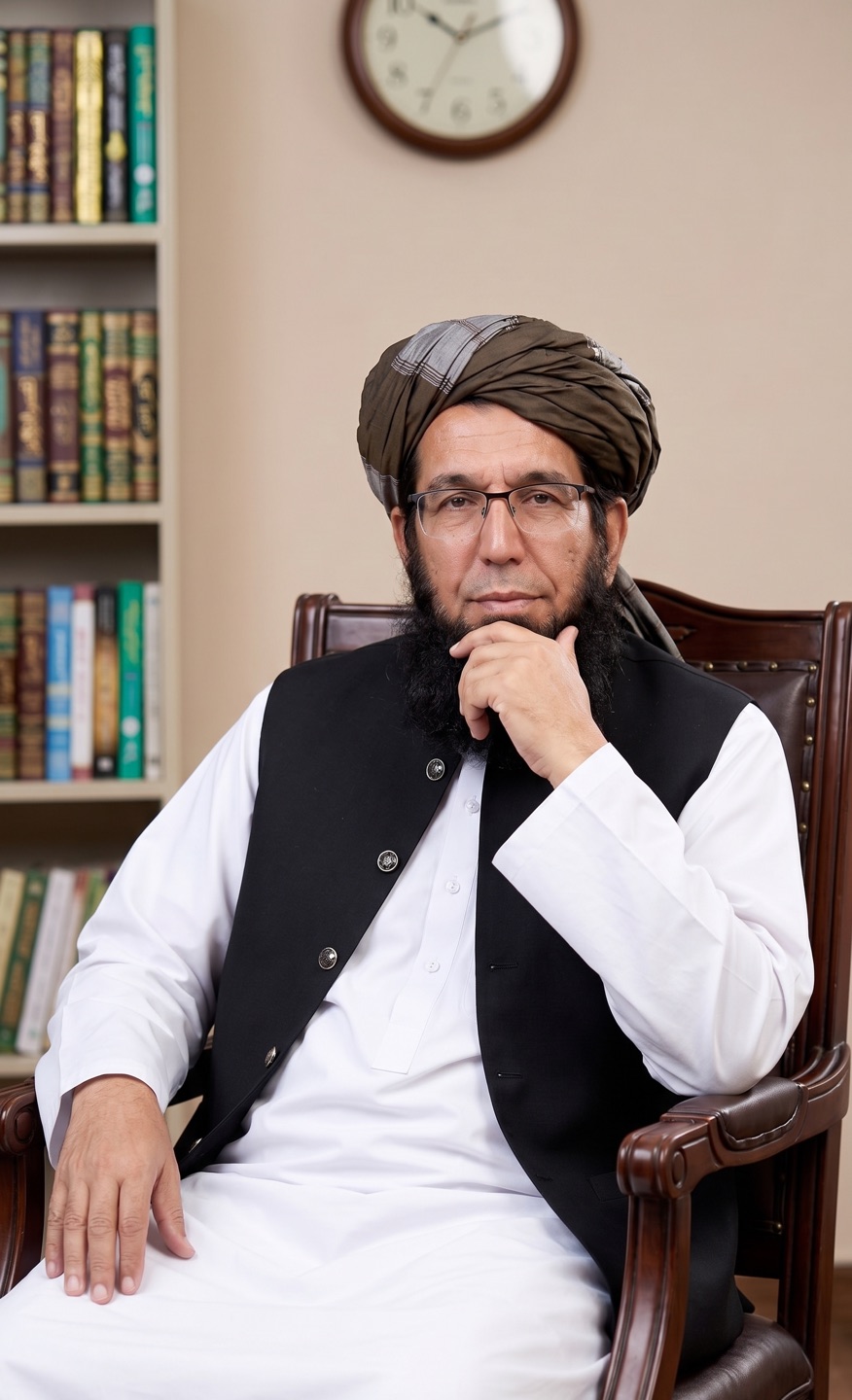
Video Shorts
Fazaail & Aadab Short Clips
Explore Hajj virtues and etiquettes by topic. Each short now includes its title for clearer browsing and better search context.
Updated May 2026
Suggest a Hajj topic
Request a Fazaail or Aadab Clip
Share a topic related to the virtues, manners, or spiritual preparation of Hajj so future clips can address real pilgrim needs.
📋
Recently updated. New Fazaail and Aadab clips are added as the series grows. Bookmark this page for fresh spiritual guidance before Hajj.
Hajj Virtues & Etiquettes
Guidance from the Sunnah
A pilgrim should sincerely repent from all sins, settle any outstanding debts or obligations, seek forgiveness from those they may have wronged, and ensure their travel provisions are from halal earnings. Learn the essential rites in advance, and depart with a sincere dua and a clean heart.
Constant dhikr, istighfar, and recitation of talbiyah keep the heart connected to Allah during Hajj. Avoid idle speech, disputes, and distractions. Every moment - from Tawaf to standing at Arafat - is an opportunity for dua and reflection. Treat fellow pilgrims with patience and compassion as an expression of your ihram.
Enter Masjid al-Haram with the right foot and the dua of entering a mosque. Perform Tawaf in a state of wudu, keeping the Kaaba on your left. Recite prayers, send salawat upon the Prophet ﷺ, and make dua with full presence of heart. Avoid jostling others unnecessarily, especially near the Black Stone, and approach it with calm reverence.
The day of Arafat (9th Dhul Hijjah) is the heart of Hajj. Stand facing the Qiblah, raise your hands in sincere dua, shed tears of repentance, and remember Allah abundantly. The Prophet ﷺ said the best dua is the dua on the day of Arafat. Remain in a state of humility and attentiveness from Zawaal to Maghrib.
An accepted Hajj transforms the pilgrim. The hallmark of a mabrur Hajj is that one returns with greater taqwa, better character, and a stronger connection to Allah. Guard the purity of the Hajj by avoiding sins, maintaining salah, treating people with kindness, and sharing the lessons of the blessed journey with family and community.
Important: This series focuses on the spiritual virtues and etiquettes of Hajj. For personal fiqh rulings, emergencies, or complex matters specific to your circumstances, always consult a qualified scholar directly.